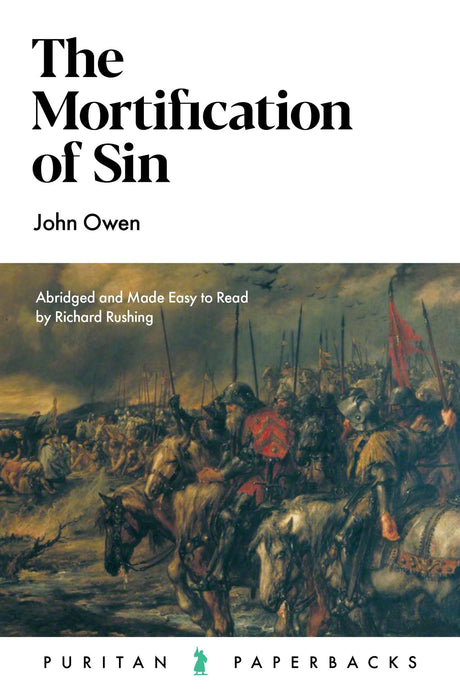
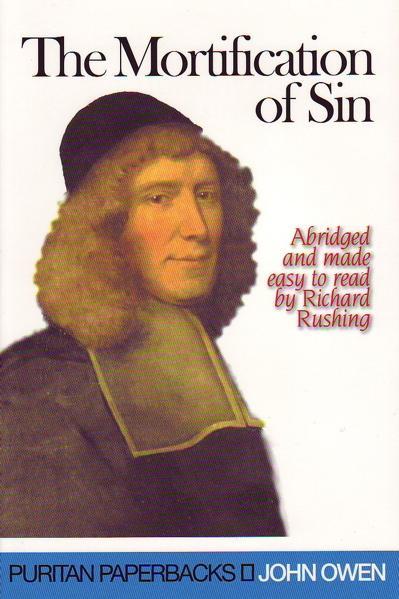
The Mortification of Sin (Puritan Paperbacks)
$9.17 USD$10.00Unit price /Unavailable8% offLow stockLow stock In stock
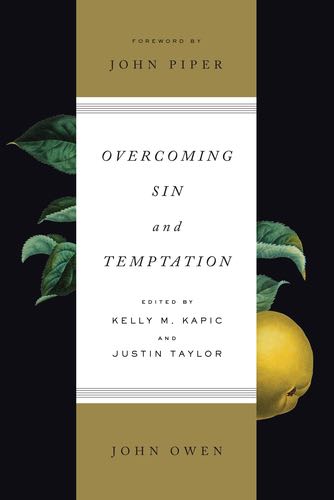
Overcoming Sin and Temptation (Redesign)
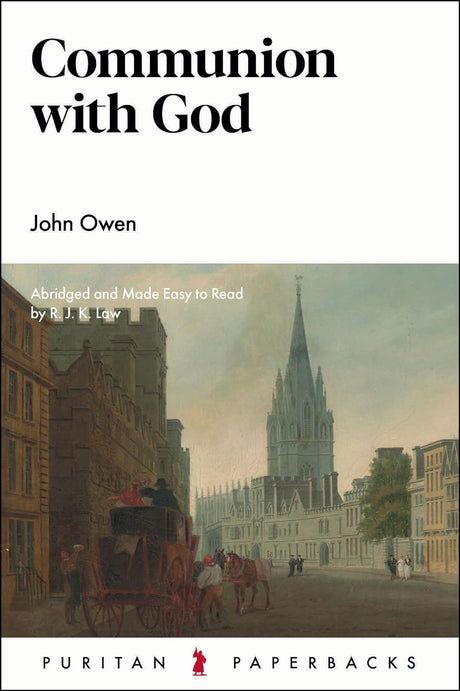
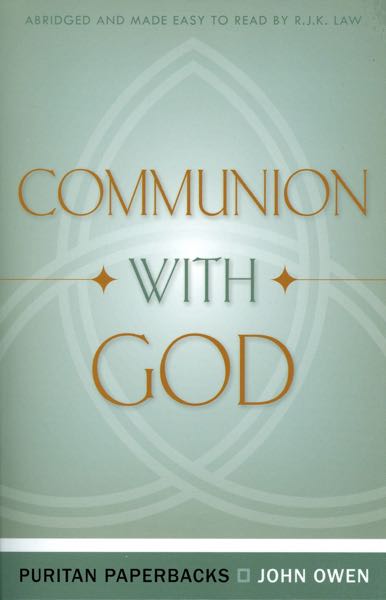
$22.64 USD$30.00Unit price /UnavailableUp to 40% offIn stockIn stockCommunion with God (Puritan Paperbacks)
$10.08 USD$11.00Unit price /Unavailable8% offMore On The WayMore On The Way- $26.42 USD
$35.00Unit price /UnavailableUp to 25% offIn stockIn stock  Black Friday DealIn stock
 Very low stock
Indwelling Sin in Believers (Puritan Paperbacks)
$9.17 USD$10.00Unit price /Unavailable8% offVery low stockVery low stock-
Very low stock
The Holy Spirit (Puritan Paperbacks)
$9.17 USD$10.00Unit price /Unavailable8% offVery low stockVery low stock 

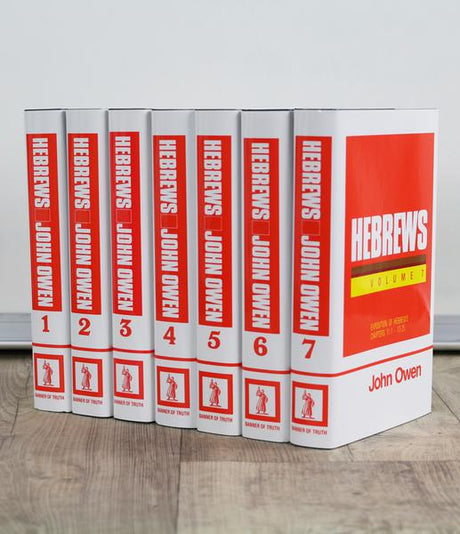
The Holy Spirit: The Helper (Volume 7) (Complete Works of John Owen)
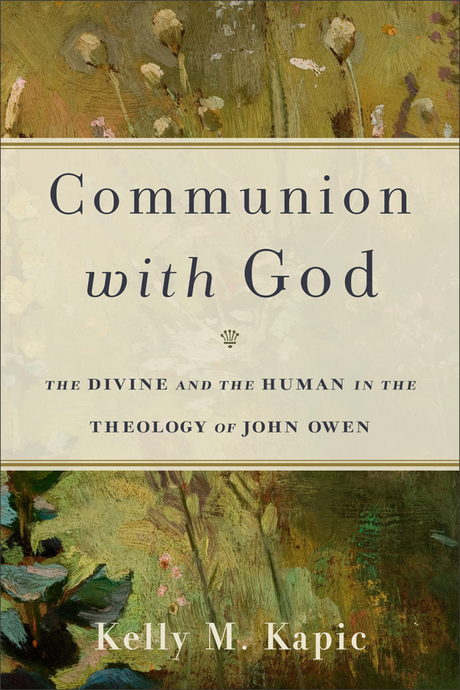
$21.99 USD$39.99Unit price /Unavailable45% offIn stockIn stockCommunion with God: The Divine and the Human in the Theology of John Owen
$31.70 USD$35.00Unit price /Unavailable9% offIn stockIn stock Low stock
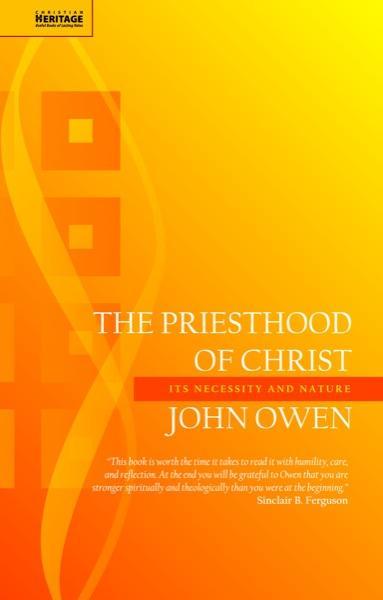
The Priesthood of Christ: Its Necessity and Nature
$23.54 USD$25.99Unit price /Unavailable9% offLow stockLow stock Low stock
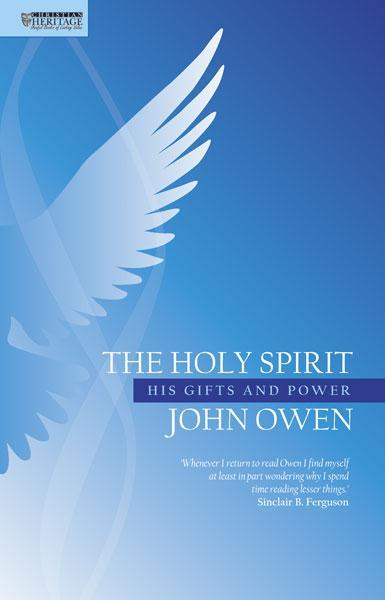
The Holy Spirit: His Gifts and Power
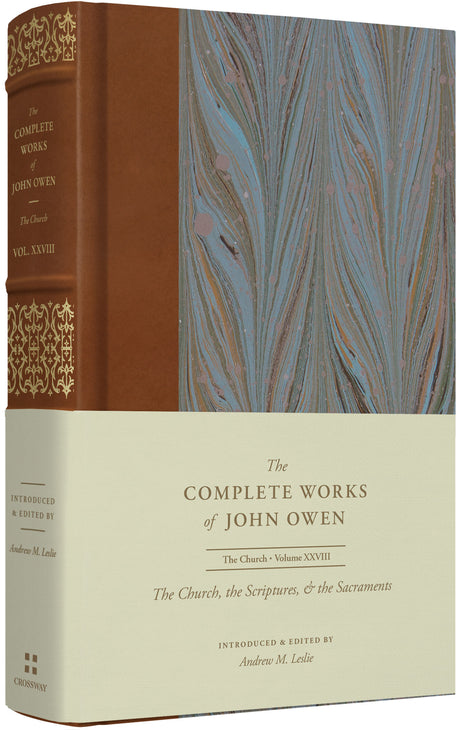
$18.10 USD$19.99Unit price /Unavailable9% offLow stockLow stockThe Church, the Scriptures, and the Sacraments (Volume 28) (Complete Works of John Owen)
$23.84 USD$44.99Unit price /Unavailable47% offIn stockIn stockSermons from the Early Restoration Years (1669-1675) (Volume 20) (Complete Works of John Owen)
$30.18 USD$39.99Unit price /Unavailable25% offMore On The WayMore On The Way Black Friday DealIn stock
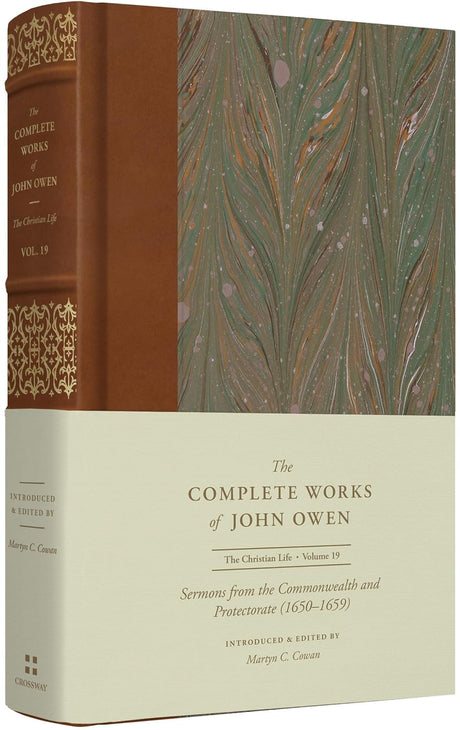
Sermons from the Commonwealth and Protectorate (1650-1659) (Volume 19) (Complete Works of John Owen)
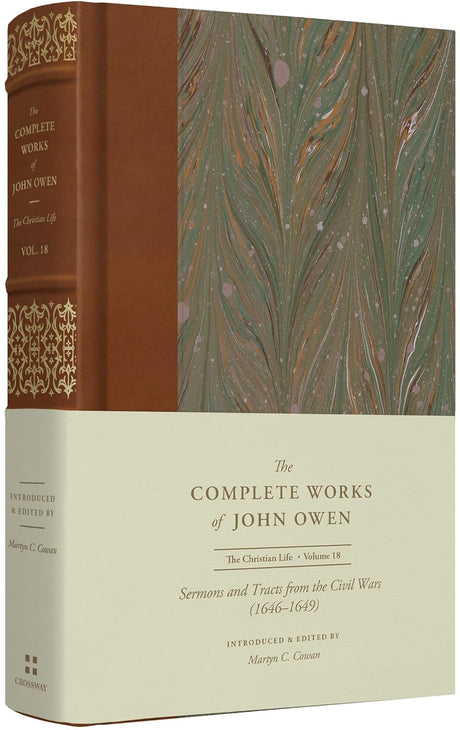
$20.79 USD$39.99Unit price /Unavailable48% offIn stockIn stockSermons and Tracts from the Civil Wars (1646-1649) (Volume 18)
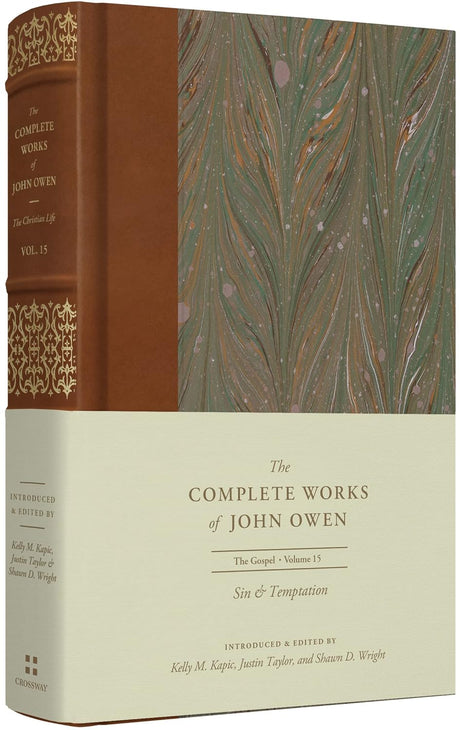
$24.74 USD$44.99Unit price /Unavailable45% offIn stockIn stockSin and Temptation (Volume 15) (Complete Works of John Owen)
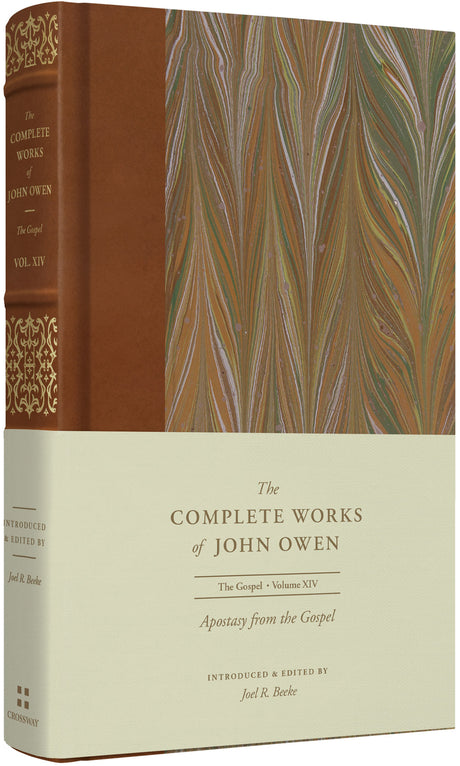
$23.39 USD$44.99Unit price /Unavailable48% offIn stockIn stockApostasy from the Gospel (Volume 14) (Complete Works of John Owen)
$21.99 USD$39.99Unit price /Unavailable45% offIn stockIn stockThe Death of Christ (Volume 9) (Complete Works of John Owen)
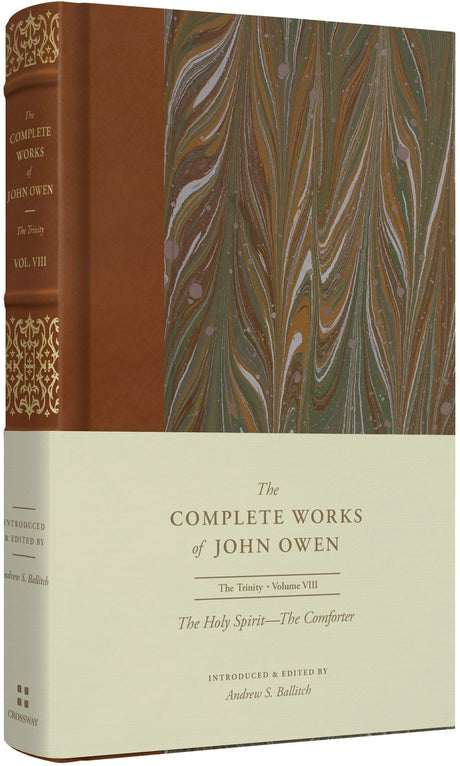
$23.39 USD$44.99Unit price /Unavailable48% offIn stockIn stockThe Holy Spirit: The Comforter (Volume 8) (Complete Works of John Owen)
$20.79 USD$39.99Unit price /Unavailable48% offIn stockIn stock More On The Way$10.08 USD
$11.00Unit price /Unavailable8% offMore On The WayMore On The Way In stock
- $8.14 USD
$8.99Unit price /Unavailable9% offMore On The WayMore On The Way  More On The Way
The Doctrine of Justification by Faith
$24.53 USD$26.00Unit price /Unavailable6% offMore On The WayMore On The WayDuties of Christian Fellowship: A Manual for Church Members (Puritan Paperbacks)
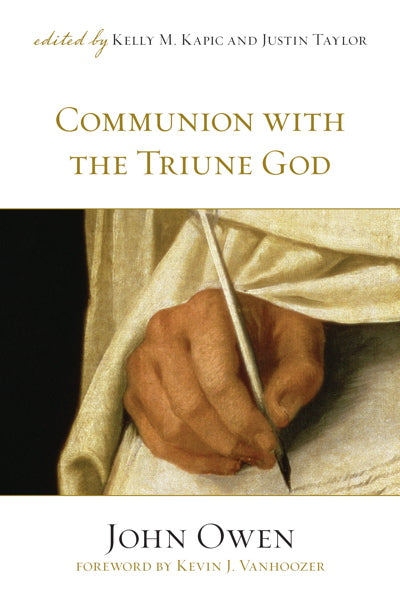
$8.25 USD$9.00Unit price /Unavailable8% offVery low stockVery low stockCommunion with God: Fellowship with the Father, Son and Holy Spirit
$18.10 USD$19.99Unit price /Unavailable9% offMore On The WayMore On The WayAssurance: Overcoming the Difficulty of Knowing Forgiveness
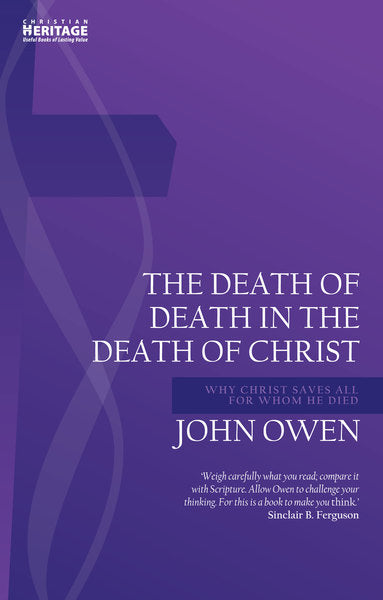
$18.10 USD$19.99Unit price /Unavailable9% offVery low stockVery low stockDeath of Death in the Death of Christ: Why Christ Saves All for Whom He Died
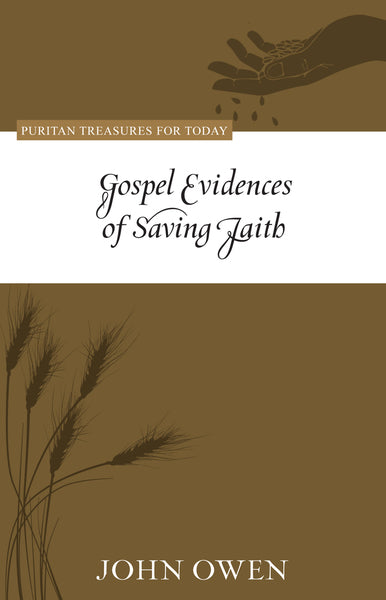
$18.10 USD$19.99Unit price /Unavailable9% offMore On The WayMore On The WayGospel Evidences of Saving Faith (Puritan Treasures for Today)
$9.43 USD$10.00Unit price /Unavailable6% offVery low stockVery low stock
 Very low stock$18.11 USD
$23.99Unit price /UnavailableUp to 40% offVery low stockVery low stock Very low stock
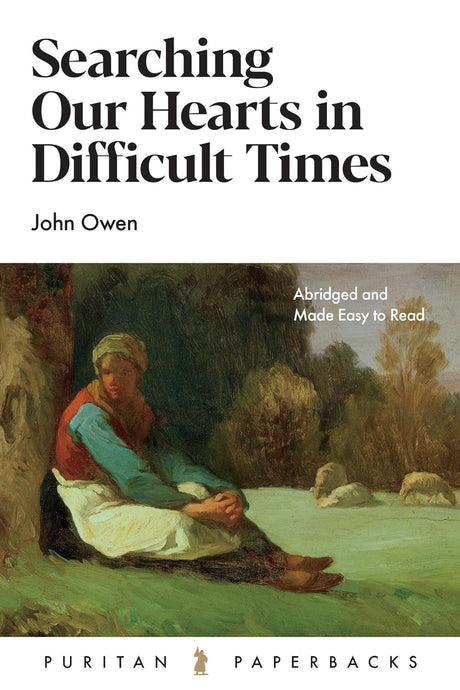
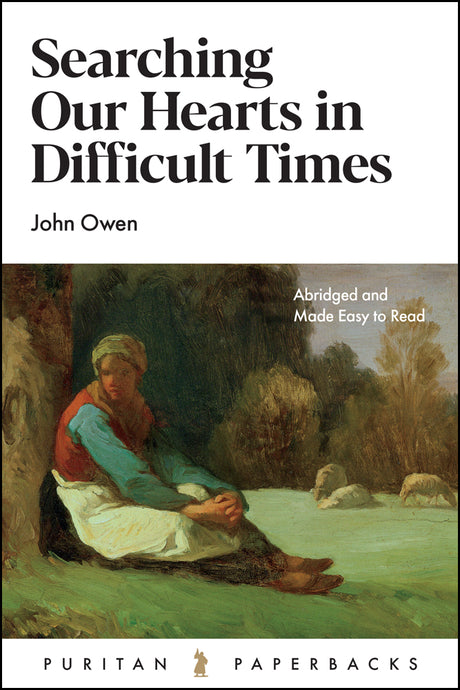
Searching Our Hearts in Difficult Times (Puritan Paperbacks)
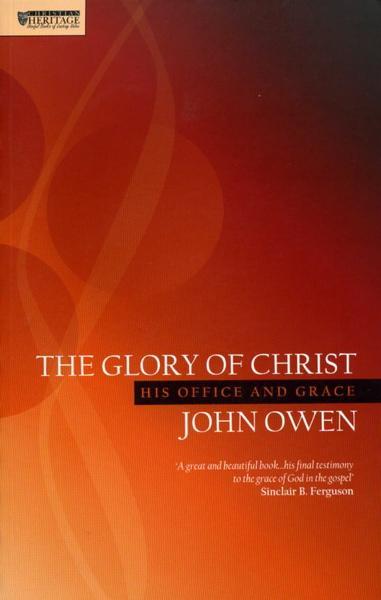
$8.25 USD$9.00Unit price /Unavailable8% offVery low stockVery low stockThe Glory Of Christ: His Office and Grace
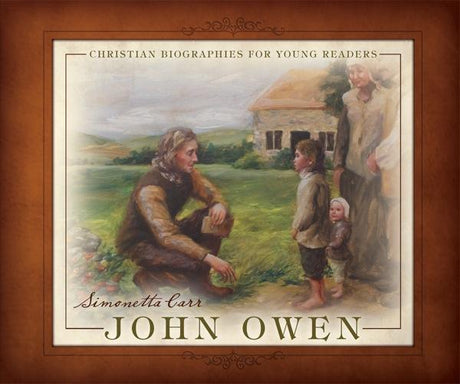
$18.10 USD$19.99Unit price /Unavailable9% offMore On The WayMore On The WayJohn Owen (Christian Biographies for Young Readers)
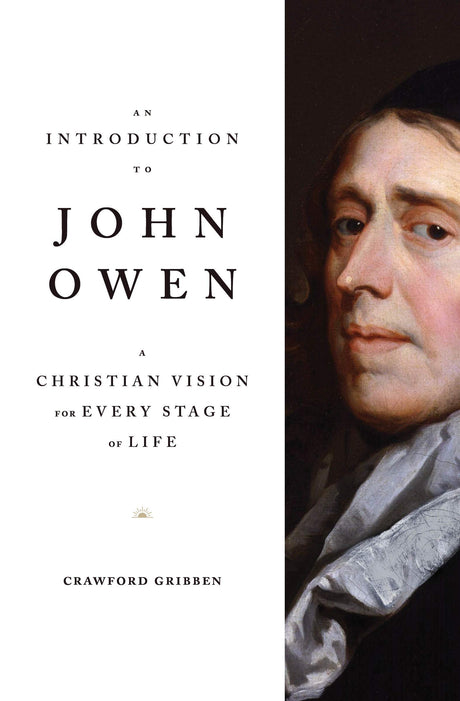
$16.98 USD$18.00Unit price /Unavailable6% offLow stockLow stockAn Introduction to John Owen: A Christian Vision for Every Stage of Life
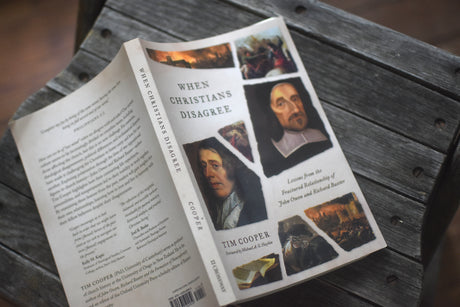
$13.58 USD$17.99Unit price /Unavailable25% offMore On The WayMore On The WayWhen Christians Disagree: Lessons from the Fractured Relationship of John Owen and Richard Baxter
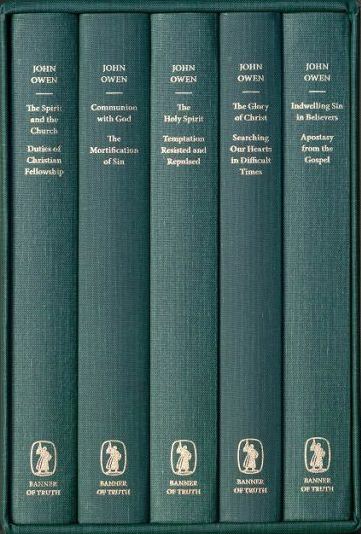
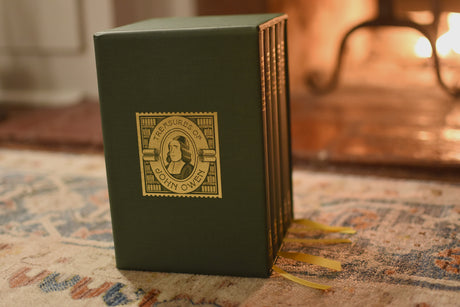
$11.39 USD$18.99Unit price /Unavailable40% offIn stockIn stockTreasures of John Owen Box Set (5-Volume Set)
$114.58 USD$125.00Unit price /Unavailable8% offSold out-
Searching Our Hearts in Difficult Times (Puritan Paperbacks)
$8.25 USD$9.00Unit price /Unavailable8% offSold out 
The Mortification of Sin (Puritan Paperbacks)
$8.25 USD$9.00Unit price /Unavailable8% offSold out
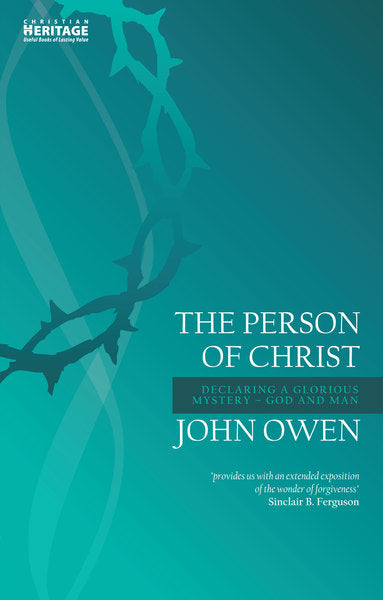
The Person of Christ: Declaring a Glorious Mystery - God and Man
$18.10 USD$19.99Unit price /Unavailable9% offSold out

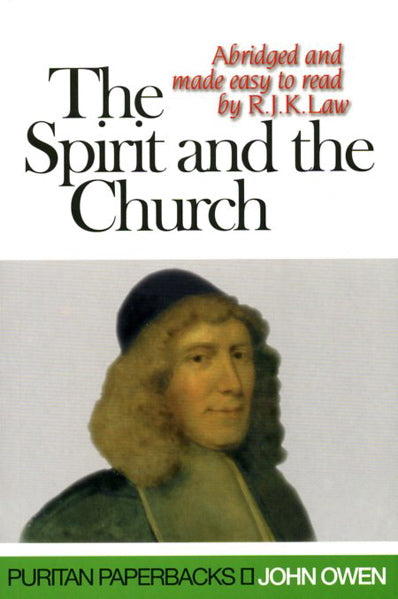
The Spirit and the Church (Puritan Paperbacks)
$8.25 USD$9.00Unit price /Unavailable8% offSold out