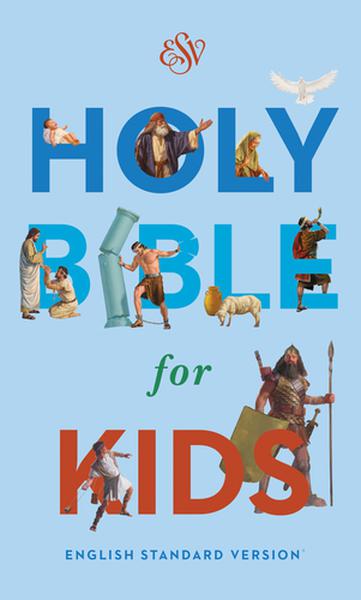
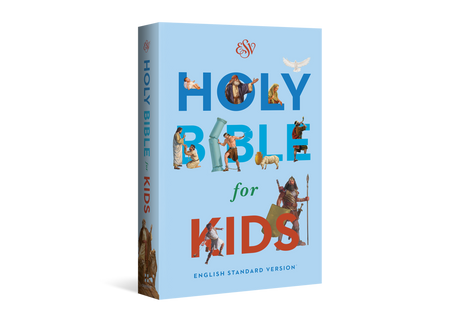
Owning the right Bible for kids is a strong start, but how it's used determines how much it actually shapes a child's faith and understanding of Scripture.
At Home
Consistency matters more than length. Short, regular reading sessions built into a daily routine, morning, mealtime, or bedtime, do more for a child's biblical literacy than occasional long sessions. Let the child hold and navigate their own Bible, ask simple questions about what was read, and connect the passage to something familiar in their everyday life.
At Church
A kids' holy Bible used during sermons and Sunday school teaches children to follow along with the text rather than passively listening. Encourage them to locate the passage being taught, underline key verses, and bring the same Bible each week. Familiarity with their own copy builds confidence and a genuine sense of ownership over God's Word.
At School or in a Learning Environment
In classroom or homeschool settings, a children's Bible works best alongside structured study. Use built-in maps, timelines, and book introductions to anchor lessons in historical context. Pair reading with simple narration exercises, asking a child to retell what they read in their own words, to reinforce comprehension and retention over time.

 2025 EditionSold out
 2025 Edition35% off
 Up to 27% off
 Sold out35% off