Reference Bibles

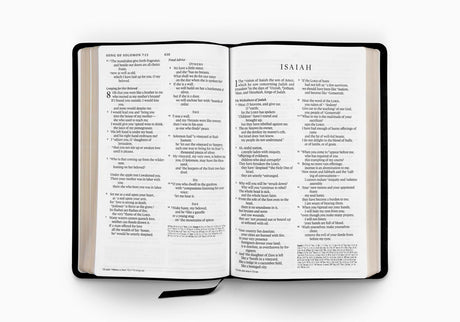
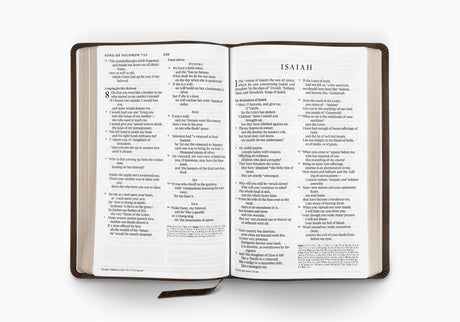
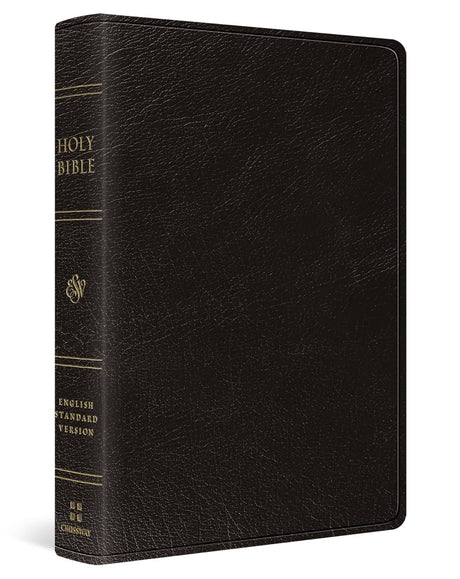
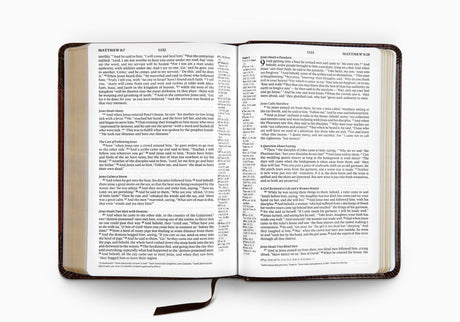
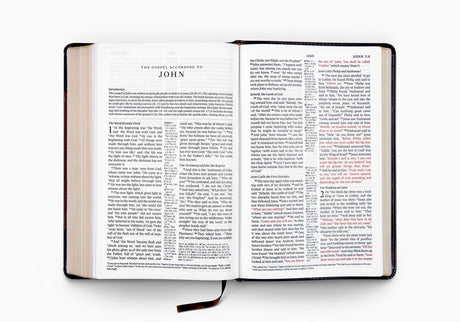
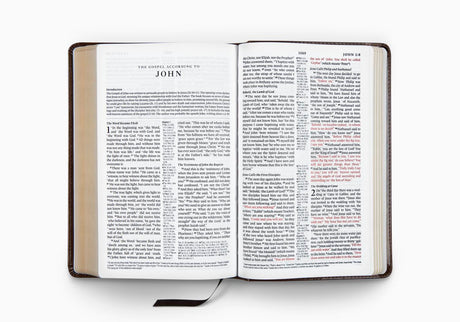
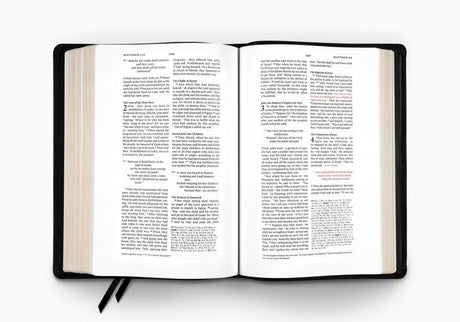
The ESV Reference Bible is a type of study Bible that provides cross reference sections throughout, and is perfect for those who interact closely with the Bible text . Choose from a number of Reference Bibles below that will help you better understand how one verse or passage relates to another within God's word.

View as

Frequently Asked Questions

What Is A Reference Bible And How Is It Used?

A reference Bible distinguishes itself through systematic study aids printed alongside the biblical text. These tools typically include cross-references in the margins or center column, a concordance for locating specific words, and, often, maps, charts, or brief explanatory notes.

Cross-Reference Systems Connect Scripture

Cross-references form the backbone of any reference Bible. These marginal notations direct readers to related passages that share similar themes, vocabulary, or theological content. When studying Romans 3:23, for instance, cross-references might point to parallel statements in Ecclesiastes 7:20 or 1 John 1:8, demonstrating Scripture's consistent teaching on human sinfulness.

Concordances Enable Word Studies

A concordance lists key biblical terms with their locations throughout Scripture. This feature proves invaluable when tracing how specific words are used across different contexts. Serious students can examine how terms such as "righteousness," "covenant," and "redemption" function across various passages to build a more complete understanding of biblical vocabulary.

Study Notes Provide Context

Many reference study Bibles include brief notes explaining historical background, textual variants, or interpretive considerations. These annotations help readers grasp what the original audience would have understood and how passages have been faithfully interpreted throughout church history.

What Features Define The Best Reference Bibles?

The best reference Bibles balance comprehensive study tools with readable formatting. Understanding which features matter most helps readers select the right resource for their specific needs.

Accurate Translation Philosophy

Translation approach forms the foundation of any reference Bible's usefulness. Word-for-word translations like the ESV prioritize accuracy to the original Hebrew, Aramaic, and Greek texts. This literal approach preserves the structure and specific vocabulary of Scripture, which matters significantly for serious study where precise wording affects interpretation.

Comprehensive Cross-Reference Network

Superior reference Bibles provide extensive cross-reference systems that go beyond obvious connections. Many major reference Bible systems include tens of thousands of cross-references that trace themes, parallel accounts, quotations, and allusions throughout Scripture. This depth enables readers to see how biblical authors themselves interpreted and applied earlier Scripture.

Clear Page Layout

Even the most helpful study tools become frustrating if the page design creates confusion. The best reference study Bibles organize cross-references, notes, and text in ways that maintain readability. Center-column cross-references often work better than side margins for reducing visual clutter while keeping connections readily accessible.

Durable Construction

Reference Bibles endure heavy use over many years of study. Quality bindings, whether genuine leather or durable synthetic materials, protect the resource through repeated handling. Lay-flat bindings particularly benefit those who study the Bible for extended periods, taking notes or comparing passages.

How Does A Reference Study Bible Support Deeper Study?

Reference study Bibles expand on basic reference editions by incorporating more extensive study aids. These tools support serious theological study without requiring formal training. Our full collection of ESV Study Bibles reflects this commitment. Each edition is selected for scholarly integrity, doctrinal soundness, and long-term usefulness.

Theological Notes Clarify Doctrine

Study notes in reference study Bibles explain theological concepts and interpretive options. When readers encounter challenging doctrines, these notes provide historical context and demonstrate how faithful interpreters have understood the text. This guidance helps prevent eisegesis, which means reading personal assumptions into Scripture rather than drawing meaning from it.

Charts And Tables Organize Information

Visual aids like chronological timelines, genealogies, and thematic charts help readers organize biblical information. These resources clarify complex relationships, whether tracing the kings of Israel and Judah or understanding the structure of Levitical offerings.

Maps Illuminate Geography

Biblical geography matters for interpretation. Understanding the distance between Jerusalem and Babylon, or recognizing the strategic importance of cities along ancient trade routes, adds depth to narrative passages and prophetic literature. Quality reference study Bibles include detailed maps showing both ancient and modern locations.

Book Introductions Provide Overview

Introductions to each biblical book establish authorship, historical setting, purpose, and major themes. These overviews orient readers before they begin studying individual passages, creating a framework for understanding how specific verses fit within the book's overall argument.

What Makes ESV Reference Bibles Popular?

The English Standard Version has become the preferred translation for many pastors, seminary students, and theologically serious Christians. Several factors contribute to the popularity of ESV reference Bibles within Reformed and evangelical communities.

Commitment To Word-For-Word Translation

The ESV follows an essentially literal translation philosophy that prioritizes accuracy to the original language texts. This approach preserves word order, grammatical structures, and specific vocabulary choices where English permits. For preachers and teachers who need to explain what Scripture actually says, this precision matters significantly.

Readability Without Compromise

While maintaining translation accuracy, the ESV achieves readability without adopting colloquialisms or interpretive paraphrasing. This balance serves both public reading in worship and personal study.

Consistent Theological Terminology

ESV reference Bibles maintain consistent translation of key theological terms throughout Scripture. When the same Greek or Hebrew word appears in different passages, the ESV typically uses the same English equivalent. This consistency helps readers perform accurate word studies and trace theological concepts across the biblical canon.

Reformed Theological Framework

Many ESV study resources reflect Reformed theological commitments, making them particularly useful for readers within this tradition. Study notes align with historic Protestant orthodoxy and Reformed distinctives, offering interpretations readers can trust to reflect their theological convictions.

How Do ESV Reference Study Bibles Help With Cross-References?

ESV reference study Bibles excel at connecting Scripture with Scripture. The cross-reference systems in these editions reflect careful scholarship and theological insight.

Extensive Cross-Reference Networks

Quality ESV editions include extensive networks of cross-references that connect related passages, going beyond simple quotations to include thematic parallels, theological connections, and narrative links. When studying any passage, readers can follow these references to build a comprehensive understanding of biblical teaching on specific topics.

Canonical Connections

ESV cross-references help readers see the unity of Scripture across both testaments. For example, Old Testament prophecies link to New Testament fulfillments. Meanwhile, types and shadows in the Mosaic law connect to their realization in Christ. Finally, wisdom literature parallels teaching from the epistles. These canonical connections demonstrate Scripture's coherence.

Quotation Identification

When New Testament authors quote or allude to Old Testament passages, ESV reference study Bibles identify these connections. Understanding how apostolic writers interpreted earlier Scripture provides models for faithful biblical interpretation, which is a resource that proves especially valuable for preaching and teaching.

Theological Theme Tracing

Cross-references enable readers to trace theological themes throughout the biblical narrative. Studying covenant, for instance, becomes more productive when cross-references connect Genesis 15, Exodus 24, Jeremiah 31, Luke 22, and Hebrews 8. These thematic connections reveal how biblical doctrines develop across redemptive history.

What Should You Look For When Choosing A Reference Bible?

Selecting the right reference Bible depends on how you intend to use it. Different editions serve different purposes, and understanding your specific needs ensures you invest in a resource that will strengthen your study for years to come.

Consider Your Primary Use Case

Will this reference Bible primarily support sermon preparation, personal devotion, or academic study? Pastors might prioritize extensive cross-references and theological notes. Those focused on daily reading might prefer simpler reference systems with less page density. Meanwhile, seminary students often need resources that support original-language work and detailed exegesis.

Evaluate Study Aid Depth

Some reference Bibles include minimal notes and focus mainly on cross-references. Others function as comprehensive study Bibles with extensive commentary. Consider how much guidance you want versus how much space you prefer for your own notes and observations. For those who prioritize writing directly in the margins, our ESV Journaling Bibles feature wide-ruled margins designed specifically for that purpose.

Assess Physical Characteristics

Consider where and how you'll use this Bible. A larger study Bible with extensive notes works well for desk study, but proves impractical for commutes. For those who need a faithful ESV text in a portable format, our ESV Travel Bibles offer a practical complement to a more comprehensive, heavier reference edition kept at home or in the study.

Verify Theological Alignment

Not all reference study Bibles reflect the same theological tradition. Within the Reformed Protestant community, ESV reference study Bibles generally align well with historic confessional commitments. Verify that the study notes and introductory material reflect sound doctrine and faithful interpretation that serve your theological convictions.

Balance Cost With Longevity

Quality reference Bibles represent significant investments, but they serve for decades with proper care. Premium bindings and paper cost more initially but endure years of heavy use. That’s why it’s worthwhile to think over the long-term value rather than just the immediate price.

For readers who want to build a complete Scripture engagement routine alongside their reference Bible, the ESV prayer journals by Erika Allen offer eight 30-day guided studies on foundational themes, integrating structured reading with written prayer and reflection.