Journaling Bibles

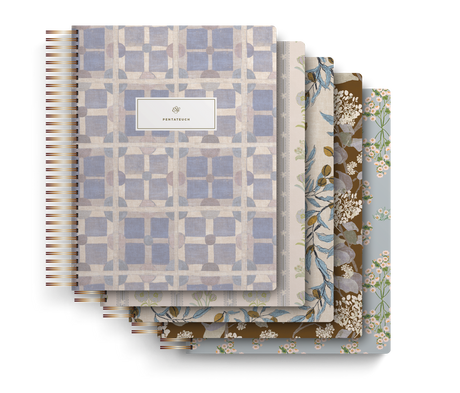
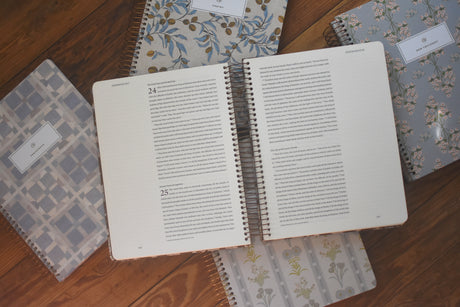
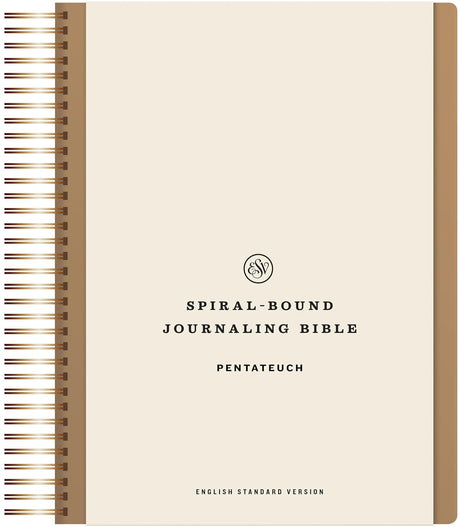
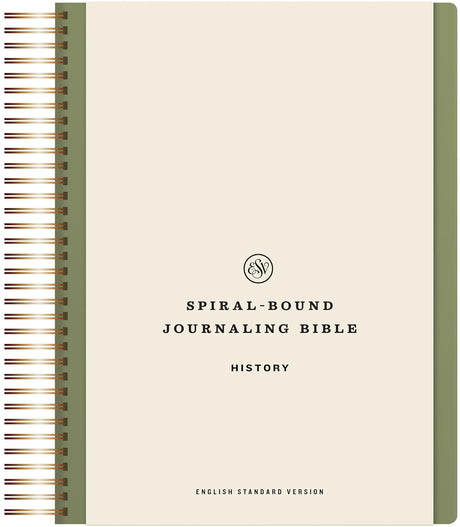
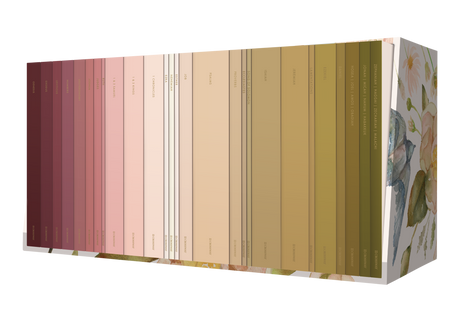
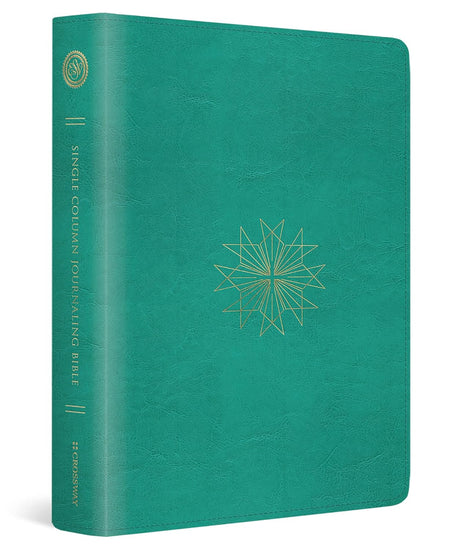
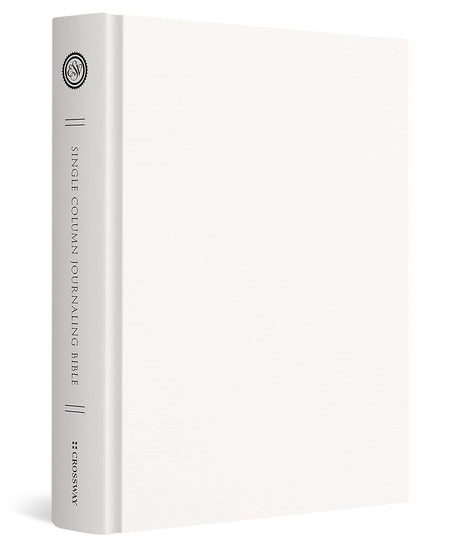
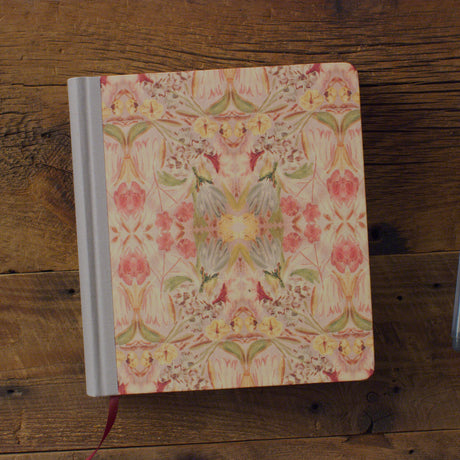
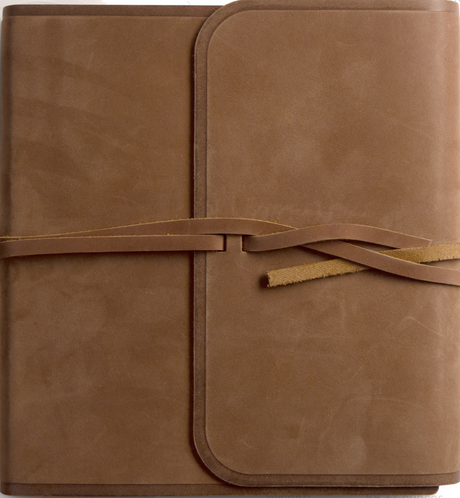
The ESV Journaling Bible provides the perfect way for you to keep a journal of your spiritual life right inside the Bible that you read and study each day. Choose from various colors and styles, including original, leather, cloth and Tru Tone.

View as

Frequently Asked Questions

What Are Bibles For Journaling?

For generations, Christians have written in their Bibles, underlining verses, noting cross-references, recording sermon insights, and marking passages that spoke to specific life circumstances. Journaling Bibles formalize this long-standing practice by providing intentional space for written engagement alongside Scripture.

These editions are designed for believers who benefit from physically interacting with the biblical text through writing. Whether you're a pastor preparing sermons, a student analyzing original-language details, or a church member wanting to remember how God spoke through His Word during a particular season, journaling Bibles provide practical space for reflection and annotation.

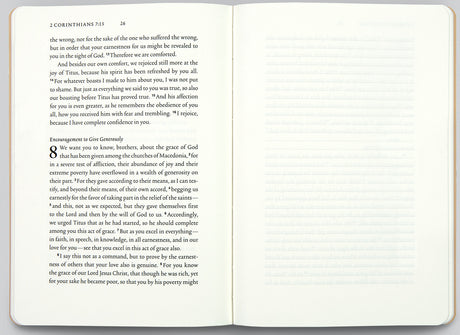
Journaling Bibles are formatted specifically to accommodate handwritten notes. Unlike standard editions, where text fills most of each page, these versions intentionally leave substantial blank margins or interleaved pages. Many readers who already use structured learning resources like ESV Study Bibles appreciate having separate ESV Journaling Bibles as a complementary tool that allows for more personal, long-term interaction with the biblical text.

Wide Margin Formats

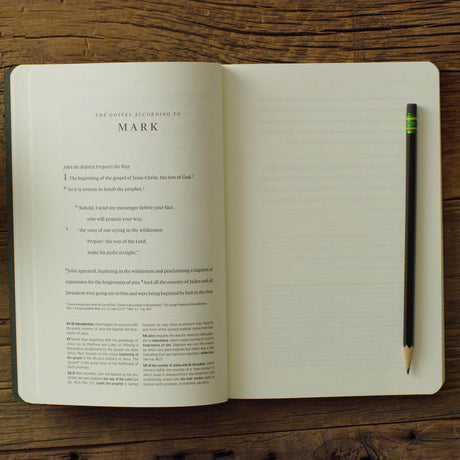
The most common type features extra-wide margins beside the biblical text. This layout keeps Scripture central while providing room for notes directly next to relevant passages. The ESV Journaling Bible, for example, includes two-inch ruled margins designed for observations, reflections, prayers, and cross-references without sacrificing readability.

Interleaved Editions

Interleaved journaling Bibles place blank pages between each page of Scripture. This format provides maximum writing space while preserving standard text size. It is especially useful for extended theological reflections, sermon preparation, or in-depth word studies requiring more space than margins allow.

Paper Quality Considerations

Many journaling Bibles are designed to be writing-friendly, but show-through or bleed can still occur depending on paper thickness and writing instruments. Testing your preferred pen or pencil in an inconspicuous area before extended use is a wise precaution, especially if you plan to make long-term annotations.

Why Do Christians Use ESV Journaling Bibles For Study?

Christians use journaling Bibles to create a permanent record of their engagement with Scripture. Over time, this written interaction becomes both a study tool and a spiritual testimony.

Recording Theological Insights

As you study, connections between passages emerge, doctrinal themes become clearer, and interpretive questions surface. Writing these insights beside the text creates a ready reference for future study. When you revisit a passage months or years later, your earlier observations deepen ongoing reflection.

Preserving Sermon Notes

Many believers use journaling Bibles to record insights from preaching. This connects corporate worship with personal study and builds a cumulative record of pastoral teaching tied directly to Scripture.

Tracking Spiritual Growth

A journaling Bible becomes a historical record of spiritual development. Reviewing notes from earlier seasons reveals how understanding has matured and how specific passages have spoken into different circumstances. This record often becomes a quiet testimony to God’s faithfulness over time.

Supporting Memory And Retention

The act of writing strengthens comprehension. Recording observations, questions, and applications engages the text actively rather than passively. This process improves retention and deepens familiarity with Scripture.

Are Journaling Bibles Good For In-Depth Bible Study?

Journaling Bibles can support rigorous biblical study when used thoughtfully, though they are best understood as complementary rather than comprehensive tools.

Space For Original Language Work

Wide margins allow room to write Hebrew or Greek terms, note parsing details, or record grammatical observations. This keeps original-language insights connected to the English text most readers use daily.

Room For Personalized Cross-References

While study Bibles include built-in cross-references, journaling Bibles allow readers to build their own system. As thematic connections or typological relationships emerge, you can document them in a way that reflects your particular study focus.

Documentation Of Research

When consulting commentaries, lexicons, or theological works, journaling Bibles provide space to summarize key insights. This condenses broader research into accessible notes tied directly to the biblical passage.

Limitations To Consider

Journaling Bibles do not replace comprehensive study tools. They lack the extensive notes, theological essays, and built-in cross-reference systems found in full study Bibles. Many serious students maintain both a detailed study Bible for reference and a journaling Bible for long-term annotation and reflection.

How Do You Write And Take Notes In Journaling Bibles?

Effective note-taking requires intention. Without organization, margins quickly become cluttered and difficult to navigate.

  • Develop A Consistent Symbol System: Use symbols or abbreviations to categorize notes. For example: "X" for cross-references, "?" for questions requiring further study, or "P" for prayer observations. This visual system helps you quickly identify note types when scanning pages. 
  • Date Significant Entries: Including dates on notes, especially those connected to specific life events or spiritual insights, adds valuable context. Years later, these timestamps help you remember the circumstances surrounding particular observations.
  • Use Different Writing Instruments Strategically: Consider using different-colored pens or pencils rather than ink to distinguish note types. Some use a pencil for initial observations and ink for confirmed theological conclusions after further study. Others assign colors to themes or note categories.
  • Keep Notes Concise: Space limitations require brevity. Focus on capturing essential insights rather than writing extensive paragraphs. You're creating prompts for future reflection, not comprehensive essays. A few well-chosen words often prove more useful than lengthy explanations.
  • Consider A Separate Index: Some people create an index on blank front or back pages, noting key passages they've annotated and the topics they address. This organizational layer makes your journaling bible more useful as a reference tool over time.

Who Should Consider Using Journaling Bibles?

Journaling Bibles serve different purposes for different types of Bible readers. While they are not essential for everyone, they are particularly valuable for believers who want to create a lasting written record of their interaction with Scripture.

Seminary Students And Pastors

Those engaged in formal theological education or sermon preparation benefit significantly from journaling Bibles. The extra margin space accommodates exegetical notes, sermonic outlines, cross-references, and observations drawn from commentaries or original-language study. Over time, these annotated Bibles become deeply personal ministry tools. Years of preaching, counseling, and teaching can accumulate directly alongside the text, forming a portable theological archive that reflects a lifetime of study.

Serious Individual Students

Christians committed to regular, thoughtful Bible study, even outside formal education, often find journaling Bibles especially helpful. If you are working systematically through Scripture and want to document interpretive questions, doctrinal themes, and spiritual insights, journaling editions provide structured space for doing so. Rather than keeping disconnected notebooks, your reflections remain permanently tied to the passages that shaped them.

Small Group Leaders

Those teaching Bible studies or leading discipleship groups can use journaling Bibles to prepare lessons and record discussion insights. Margins allow space for lesson structures, clarifications that helped a group grasp a difficult passage, or questions that generated meaningful discussion. Over multiple study cycles, the Bible itself becomes a record of communal growth and shared learning.

Those Building Long-Term Study Records

If you value having a permanent, portable record of your biblical study that travels with the text itself, a journaling Bible serves this purpose well. Unlike separate notebooks that can be misplaced or become disconnected from Scripture, notes remain attached to the passages they interpret. This continuity becomes especially meaningful across seasons of life, allowing you to see how understanding has matured over time.

Journaling Bibles For Women vs. Journaling Bibles For Men

While the core purpose of journaling Bibles remains the same, publishers often offer journaling bibles for women and journaling bibles for men that differ primarily in design, devotional tone, or supplemental content rather than in the biblical text itself.

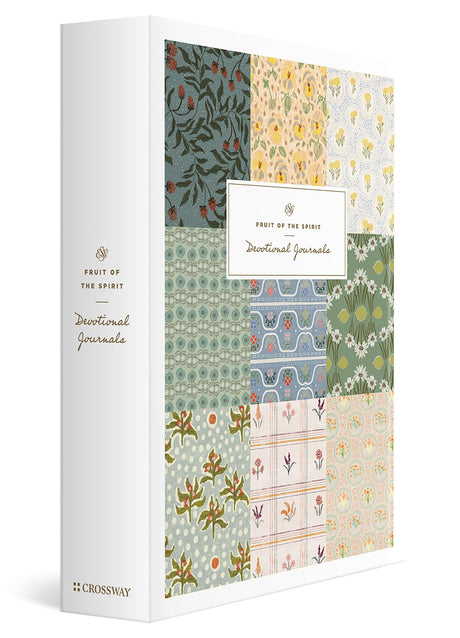
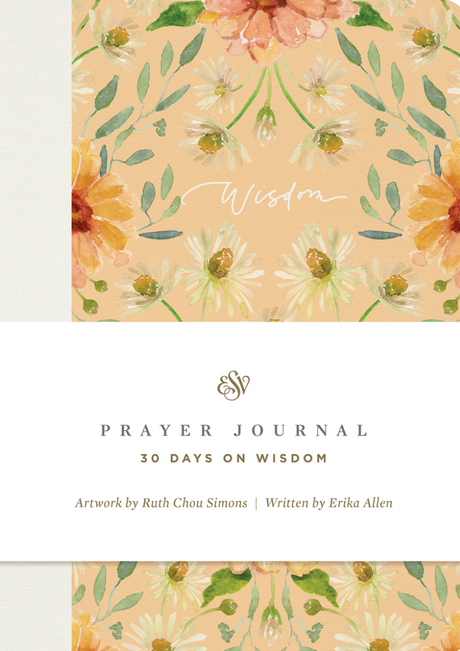
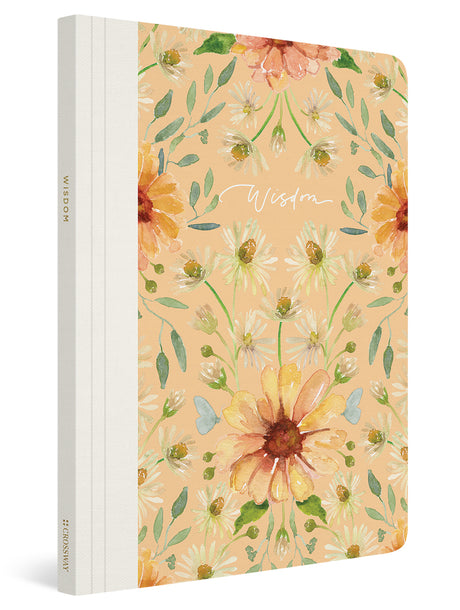
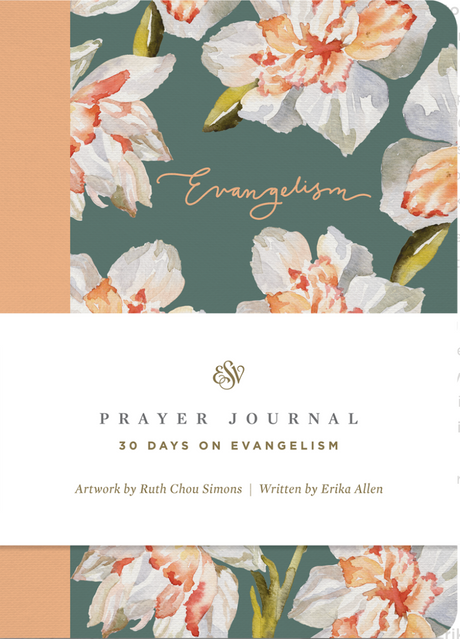
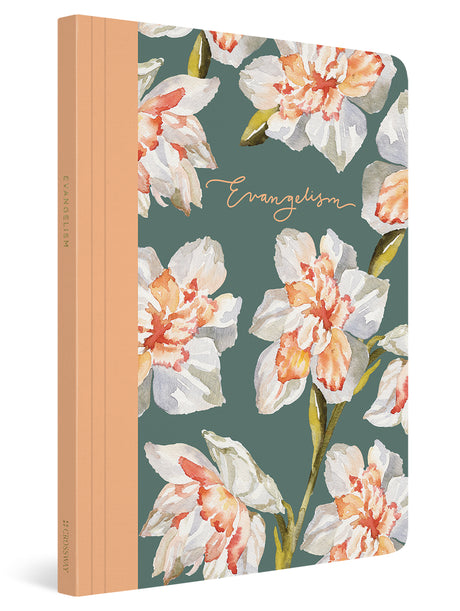
Journaling bibles for women sometimes incorporate design elements, reflection prompts, or thematic introductions that address areas such as family life, spiritual disciplines, or personal discipleship. These editions may appeal to readers who value structured reflection alongside margin space. Some women also complement journaling Bibles with guided devotional tools such as our ESV prayer journals, which provide 30-day studies focused on themes like faith, forgiveness, wisdom, and hope while leaving room for written prayer.

Journaling bibles for men typically emphasize durability, straightforward layouts, and study-focused presentation. These editions may include articles or reflection material oriented toward leadership, responsibility, and spiritual maturity, though the journaling format itself remains centered on Scripture with space for annotation.

In both cases, the primary distinction is not theological but stylistic and applicational. The biblical text and margin space remain the central feature. Readers should evaluate whether additional devotional or thematic content serves their study goals.

How Do You Choose The Best Journaling Bible For Your Needs?

Selecting a journaling Bible requires more consideration than simply wanting extra space to write. The right edition should match your study habits, theological priorities, and long-term use expectations.

Translation Matters First

Begin with translation philosophy. Choose a translation you will read consistently and trust for serious study. If you prefer an “essentially literal” approach that preserves close correspondence to the original Hebrew and Greek, the ESV is commonly selected for careful theological study. Its widespread use in Reformed and conservative evangelical churches also means you’ll share a common text with many pastors, study tools, and teaching resources. Consistency across preaching, memorization, and study strengthens long-term biblical literacy.

Format Depends On Use

Journaling Bible formats vary significantly. Wide-margin editions work well for readers who take concise notes, record cross-references, or jot brief theological insights. These keep the biblical text visually central while allowing moderate annotation.

Interleaved editions place blank pages between each page of Scripture, offering extensive writing space. These are especially useful for sermon preparation, detailed doctrinal outlines, original-language notes, or extended reflections that exceed what margins allow. However, they increase overall size and weight.

Before choosing, consider how you write. Do you prefer short prompts or longer reflections? Do you annotate occasionally or extensively? Matching format to habit prevents frustration later.

Portability vs. Writing Space

There is always a tradeoff between portability and writing room. Larger journaling Bibles provide generous margins but can become cumbersome for travel or daily commuting. Compact editions are easier to carry but limit space for extended notes.

If portability is a high priority, especially for church or everyday commutes, you may also consider our ESV Travel Bibles. These are designed to fit easily into a pocket or bag while maintaining readability. While compact editions do not provide wide journaling margins, some readers use them for Scripture reading on the go while reserving a larger journaling Bible for in-depth study at home.

Single Column vs. Double Column Layouts

Single-column layouts often feel more comfortable for extended reading and provide cleaner visual margins for writing. The text flows more like a standard book, which some readers find helpful for literary and theological analysis.

Double-column formats fit more text per page, producing slightly smaller overall volumes. However, narrower columns and tighter spacing can make margin note placement more complex. If journaling clarity is your priority, single-column layouts often prove easier to work with over time.

Binding Quality And Durability

A journaling Bible used for years of annotation should be physically durable. Genuine leather covers typically outlast imitation materials and develop character over time. Smyth-sewn bindings allow the Bible to lie flatter and endure frequent opening better than glued bindings.

Because journaling Bibles become personal records of spiritual growth, durability matters. Investing in higher-quality materials often proves worthwhile for long-term use.

Paper And Writing Experience

Paper thickness influences how well your writing instrument performs. Thin Bible paper may allow show-through, particularly with gel pens or heavy ink. If you plan extensive annotation, consider using fine-point pens or pencils to minimize bleed. Testing your preferred writing instrument before committing to long entries helps preserve readability.

Reference Features And Study Tools

Not all journaling Bibles include the same study aids. Some retain cross-references, section headings, and concordances. Others remove most supplementary material to maximize margin space.

Consider whether you want built-in reference tools or whether you primarily use a separate study Bible for detailed cross-referencing and theological notes. Many serious students maintain both: a study Bible for built-in commentary and a journaling Bible for personal annotation and long-term reflection.

A Practical Guideline

The best journaling Bible is the one you will consistently use. Choose a translation you trust, a layout that fits your writing habits, and a physical format durable enough for years of engagement. Over time, the notes you record will become as meaningful as the edition itself.