Study Bibles

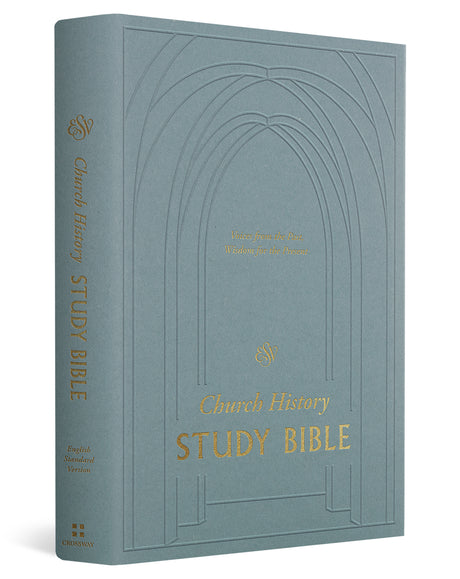
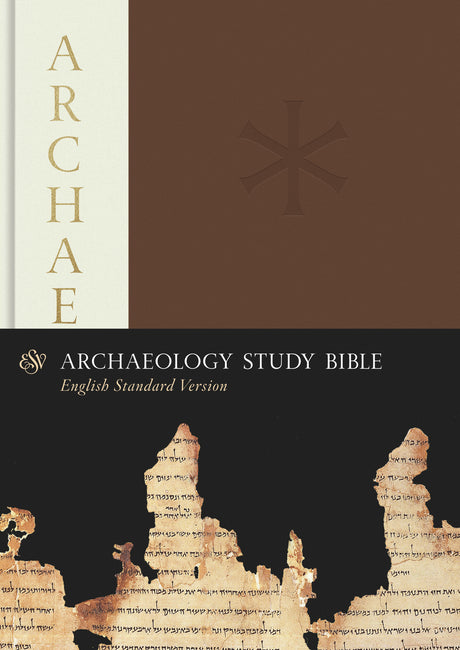
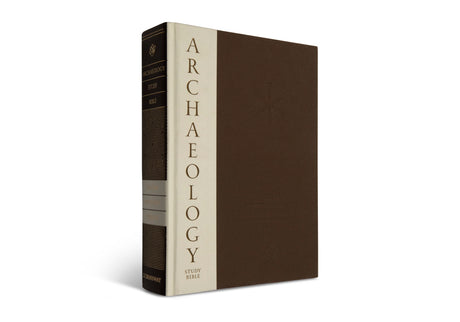
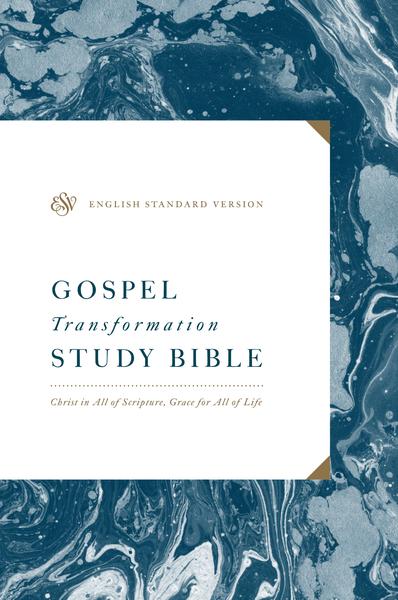
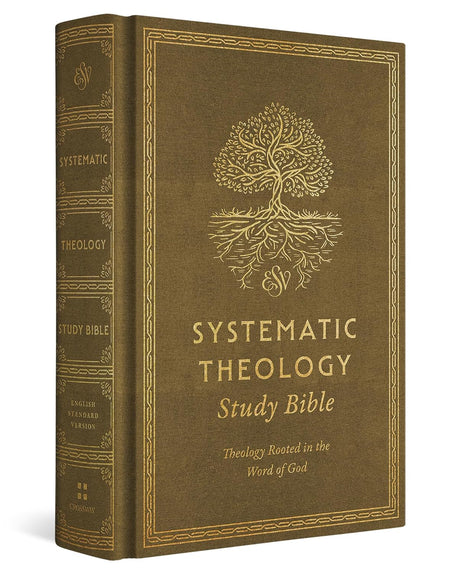
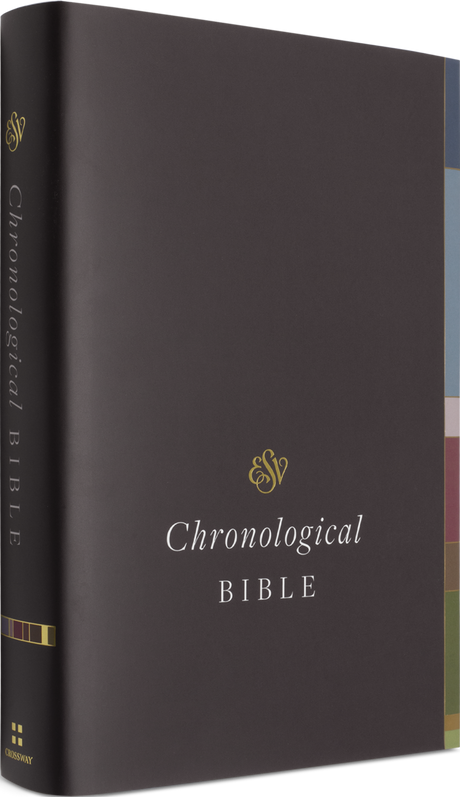
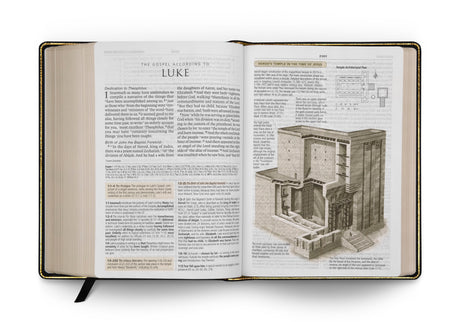
Study Bibles are packed with additional resources to help you understand and apply Scripture. Featuring maps, charts, timelines, word studies, historical context, theological articles, cross references, and more, these editions provide clarity and depth for every reader. Available in a variety of translations, covers, and formats, our curated selection of Study Bibles is trusted for accuracy and insight—perfect for personal devotions, family worship, small group study, or as meaningful gifts. Compare the unique features of our top editions to find the right Study Bible for you.

View as

Frequently Asked Questions

What Is A Study Bible And How Is It Different From A Regular Bible?

A regular Bible contains Scripture text alone. A study Bible includes the full biblical text, along with supplementary materials designed to explain, contextualize, and apply God's Word. These additions transform Scripture reading into theological education.

It functions as a theological companion, equipping pastors for sermon preparation, guiding students through seminary coursework, and helping serious Christians understand the depth and breadth of God's revealed Word. Whether you're preparing for Bible study sessions, teaching Sunday school, or pursuing personal theological growth, the right study bible becomes an indispensable ministry tool.

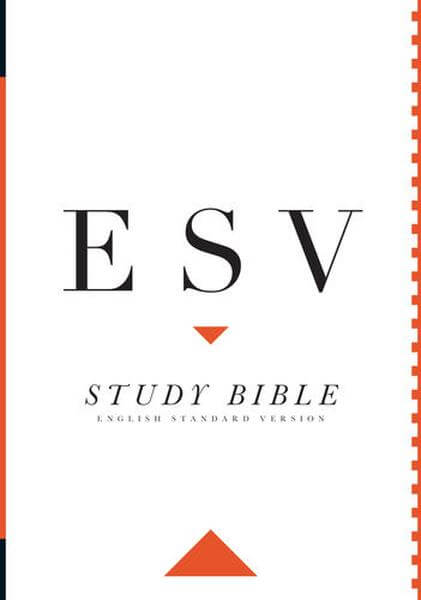
The market offers dozens of options, but not all study Bibles reflect sound doctrine or scholarly rigor. Some prioritize popular appeal over theological precision. Others contain helpful features but lack doctrinal consistency. Understanding what distinguishes a faithful study Bible from an unsuitable one requires examining both the quality of its content and its theological framework. Trusted editions such as ESV Study Bibles are designed specifically to support deeper engagement with Scripture through carefully developed study tools and scholarly contributions.

Study Notes And Commentary

Study notes appear at the bottom of each page or in margins, offering verse-by-verse explanation. Quality notes clarify difficult passages, explain historical context, and connect theological themes across Scripture. Our ESV Study Bibles, for example, contain 20,000 accessible study notes created by a diverse team of 95 leading Bible scholars and teachers from 9 countries, nearly 20 denominations, and 50 seminaries, colleges, and universities.

Cross-References

Cross-references link related verses throughout Scripture, showing how biblical themes develop from Genesis to Revelation. These connections reveal scriptural unity and help readers interpret Scripture with Scripture, a fundamental principle of Reformed hermeneutics.

Maps, Charts, And Timelines

Visual aids place biblical events in historical and geographical context. For instance, maps show Paul's missionary journeys or Israel's territorial boundaries. Charts outline Israel's kings or biblical covenants. Meanwhile, timelines synchronize biblical events with ancient Near Eastern history. We understand the significance of drawing these connections, which is why our ESV Study Bibles contain 200+ charts and timelines, 240+ full-color maps and illustrations, 120 Bible character profiles, and more.

Theological Articles and Introductions

Quality study Bibles include book introductions covering authorship, date, purpose, and structure. Theological articles address major doctrines such as justification, sanctification, and covenant theology, providing a systematic understanding of biblical truth. Inside our ESV Study Bibles, you’ll find 50+ topical theology articles to enhance your learning.

What Features Should You Look For In The Best Study Bibles?

You shouldn’t dedicate shelf space to just any study Bible. The best study Bibles combine scholarly excellence with theological faithfulness and practical usefulness.

Doctrinal Consistency

Your study Bible should reflect consistent theological commitments throughout. Mixed doctrinal perspectives create confusion rather than clarity. ESV Study Bibles from Westminster Bookstore align with Reformed Protestant convictions, ensuring notes and commentary maintain theological coherence.

Scholarly Credibility

Contributors matter. Study notes written by respected biblical scholars and theologians carry more weight than anonymous or celebrity-endorsed content. Verifiable contributor credentials, well-known seminary professors, trusted pastors with advanced degrees, and recognized biblical scholars indicate serious academic work. 

Comprehensive Cross-References

Extensive cross-referencing reveals Scripture's self-interpreting nature. The best study Bibles include hundreds of cross-references showing thematic connections, parallel passages, and theological development across both testaments.

Practical Study Tools

Concordances help locate specific words and themes. Bible dictionaries define theological terms and biblical concepts. Reading plans guide systematic Scripture engagement. These tools transform your study Bible into a complete reference library.

Which ESV Study Bibles Are Ideal For Personal Devotional Use?

Personal devotion requires different resources than academic study or sermon preparation. The best study Bibles for devotional reading balance theological depth with accessible application. Some readers also prefer editions tailored to particular roles in the church and life, such as study Bibles for women or study Bibles for men, which combine careful scholarship with reflection and application designed for everyday spiritual growth.

Devotional vs. Academic Focus

Academic study Bibles emphasize textual criticism, original languages, and scholarly debate. Devotional editions focus more on personal application and spiritual formation while maintaining doctrinal accuracy. Both serve important purposes, but devotional study benefits from notes that clarify meaning while guiding reflection.

For example, editions such as the ESV Women’s Study Bible draw on the scholarship of the ESV Study Bible while including reflections and articles that connect Scripture to daily life. Likewise, the ESV Men’s Study Bible provides robust theological notes alongside devotionals and articles that encourage spiritual maturity and faithful Christian living. These types of study Bibles for women and study Bibles for men aim to combine doctrinal depth with practical discipleship.

For readers who enjoy combining Scripture reading with written reflection, pairing a study edition with one of our dedicated ESV Journaling Bibles allows space for note-taking, prayers, and theological observations alongside the biblical text.

Readability And Layout

Page design affects daily reading. Cluttered layouts with dense notes can overwhelm devotional time. Look for study Bibles with clear typography, readable font sizes, and balanced note-to-text ratios that enhance rather than interrupt Scripture reading. Some readers also prefer portable formats, such as ESV Travel Bibles, for daily commuting, church attendance, or small-group use.

Spiritual Formation Tools

Devotional study Bibles often include prayers, reflection questions, and theological meditations. While these additions should not replace Scripture itself, they can guide personal application and deepen understanding of biblical truth in daily life.

For more structured intercession and reflection, many believers supplement their study with our ESV prayer journals that help organize petitions and track spiritual growth. This 8-volume collection, written by Erika Allen, is designed to help readers turn their quiet time into a meditation on God’s Word. Each journal follows a 30-day format centered on a foundational biblical theme, such as the gospel, faith, forgiveness, wisdom, evangelism, peace, hope, or humility. They provide guided prompts alongside space for written prayer and reflection. By organizing study around specific scriptural themes and encouraging written response, these journals help believers move from reading the text to prayerfully engaging and applying it in daily life.

Balanced Note Length

Notes should clarify without overwhelming. Excessively long notes interrupt reading flow. The best devotional study Bibles provide concise, focused explanations that illuminate without dominating the biblical text.

How Do Study Bibles Help With Sermon And Lesson Preparation?

Pastors and teachers face weekly demands for faithful biblical exposition. A quality study Bible does more than save time; it provides a reliable theological framework that supports consistent, doctrinally sound teaching over years of ministry. Rather than replacing careful preparation, it strengthens it by gathering essential tools in one volume.

Exegetical Foundation

Strong study notes provide the exegetical groundwork for sermon preparation. They clarify Greek and Hebrew terms, explain grammatical structures, and identify major interpretive options. This foundation often prevents common misreadings and surfaces theological nuances that shape clearer preaching.

Instead of consulting multiple commentaries for every passage, pastors can begin with informed, academically grounded notes that guide further research and reflection.

Historical And Cultural Context

Understanding ancient Near Eastern culture, first-century Judaism, and Greco-Roman society clarifies many biblical passages that otherwise seem distant or obscure. Study Bible notes provide this background efficiently, helping preachers explain why biblical authors wrote what they did and how original audiences understood their message.

Over time, this accumulated context deepens a teacher’s instinct for reading Scripture historically rather than anachronistically.

Theological Connections

Faithful preaching requires more than explaining isolated verses. It requires showing how each text fits within Scripture’s broader redemptive narrative. Study Bible cross-references and thematic notes trace doctrines such as covenant, kingdom, priesthood, and redemption throughout the canon.

This helps preachers demonstrate biblical unity and avoid treating passages as disconnected moral lessons.

Illustration And Application Development

While a study Bible alone should never act as a substitute for proper preparation, quality notes often identify pastoral implications or doctrinal connections that stimulate further application. These insights can spark sermon structure and lesson development while maintaining theological fidelity.

Over years of use, this process builds cumulative clarity that strengthens both preaching and teaching.

What Study Bible Notes And Tools Matter?

Study Bibles compete on features, but quantity alone does not equal value. The best study Bibles combine careful scholarship with practical usefulness that serves believers across seasons of life.

Essential vs. Supplementary Tools

Cross-references, verse-by-verse notes, and book introductions form the essential core. These tools directly aid interpretation and doctrinal understanding. Maps, timelines, concordances, and glossaries provide meaningful support. Devotional readings and reading plans can enrich personal use, but they should never overshadow the biblical text itself.

Quality Over Quantity

Twenty thousand mediocre notes do not outweigh five thousand excellent ones. The most helpful study Bibles reflect serious scholarship, theological coherence, and editorial discipline. Notes should clarify the text rather than overwhelm it.

The ESV Men’s Study Bible, for example, includes 12,000 theologically rich study notes alongside book introductions, character profiles, and doctrinal articles contributed by experienced pastors and scholars. Its additional devotionals and articles help connect biblical teaching to issues such as identity, leadership, and communion with God, making it useful not only for study but for long-term spiritual formation.

Similarly, the ESV Women’s Study Bible draws from the scholarship of the ESV Study Bible while offering over 523,000 words of study content, reflections, theological articles, and cross-references designed to help women apply Scripture faithfully in every season of life. With thousands of notes, doctrinal articles, and detailed introductions, it functions as both a serious study resource and a guide for sustained spiritual growth.

Both examples illustrate how a well-designed study Bible can serve readers for decades, supporting new believers, strengthening mature Christians, and remaining relevant as responsibilities and life stages change.

Original Language Insights

Notes that explain Hebrew and Greek terms without requiring formal language training are invaluable. They clarify why translations differ, illuminate ambiguous passages, and reveal theological nuances English readers might otherwise miss. This feature alone often makes a study Bible a long-term investment rather than a short-term tool.

Theological Article Depth

Theological articles within study Bibles should reflect serious scholarship and confessional clarity. Look for articles that engage Scripture holistically, interact responsibly with church history, and present doctrine with precision rather than simplification.

When these articles are well executed, they function as mini systematic theology lessons embedded within the biblical text itself.

How Do Translation Choices Affect A Study Bible?

The translation underlying your study Bible shapes how you understand, interpret, and teach Scripture. Translation philosophy influences not only wording but also theological nuance, readability, and how easily readers can trace themes across the biblical canon. In serious study, the text itself matters as much as the explanatory notes beneath it.

Formal vs. Dynamic Equivalence

Formal equivalence translations, like the ESV, prioritize word-for-word accuracy, maintaining original sentence structure and terminology as much as English allows. This approach preserves theological precision and enables readers to trace key word usage across Scripture, an important feature for doctrinal study and systematic theology.

Dynamic equivalence prioritizes readability and contemporary expression. While this can aid accessibility, it sometimes smooths over grammatical structures or theological vocabulary that carry interpretive significance. For careful exegesis, these differences can meaningfully shape understanding.

ESV's Strengths For Study

The ESV is described as an “essentially literal” translation that emphasizes close correspondence to the original Hebrew and Greek while accounting for linguistic differences between ancient and modern languages. Its consistent vocabulary strengthens cross-referencing and thematic study. Its more formal structure also preserves the theological weight of biblical idioms and repeated phrases that contribute to doctrinal clarity. For Reformed Protestant study, many consider the ESV a strong and reliable standard for both teaching and long-term theological formation.

Translation Consistency

Whatever translation you choose, consistency matters. Using the same translation for study, memorization, teaching, and corporate reading reinforces Scripture memory and facilitates shared biblical literacy across your congregation or study group. Consistency also minimizes confusion when comparing passages or tracing doctrinal themes across books of the Bible.

Study Notes and Translation Harmony

The best study Bibles align their notes with the translation’s underlying philosophy. ESV Study Bibles, for example, often explain translation decisions where relevant, showing why certain phrases were rendered as they were and noting significant textual variants. This harmony between text and commentary allows readers to understand not only what Scripture says, but why it is translated in a particular way.